Table of Contents
- Climate change is hastening valley fever’s spread across the American ...
- Coccidioidomycosis (Valley fever) - Dermatology Advisor
- Pulmonary Coccidioidomycosis: Commonly Known as Valley Fever ...
- Valley Fever Symptoms
- Coccidioidomycosis: Don’t learn the spelling, just the symptoms, how to ...
- Valley Fever, Now Endemic to Southwest, Disproportionately Affects ...
- Valley Fever: What Is Valley Fever?
- Valley Fever on the Rise and Spreading, CDC Says
- What is Valley Fever? - Walkin Lab
- Valley Fever cases in California continue to increase



What is Valley Fever?

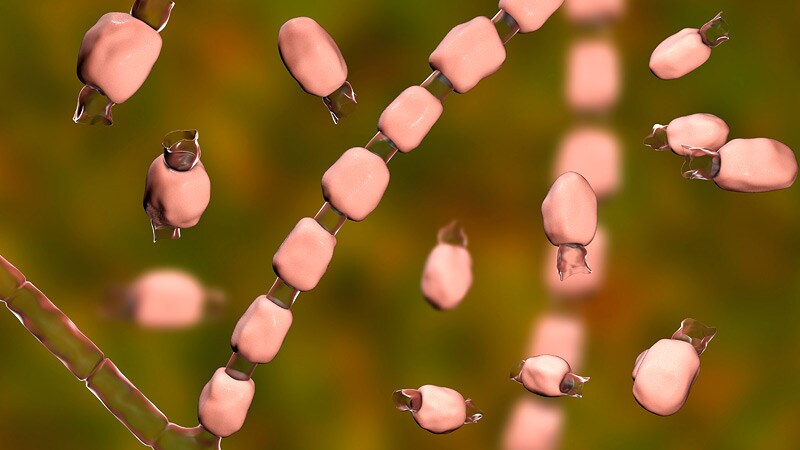

Symptoms of Valley Fever

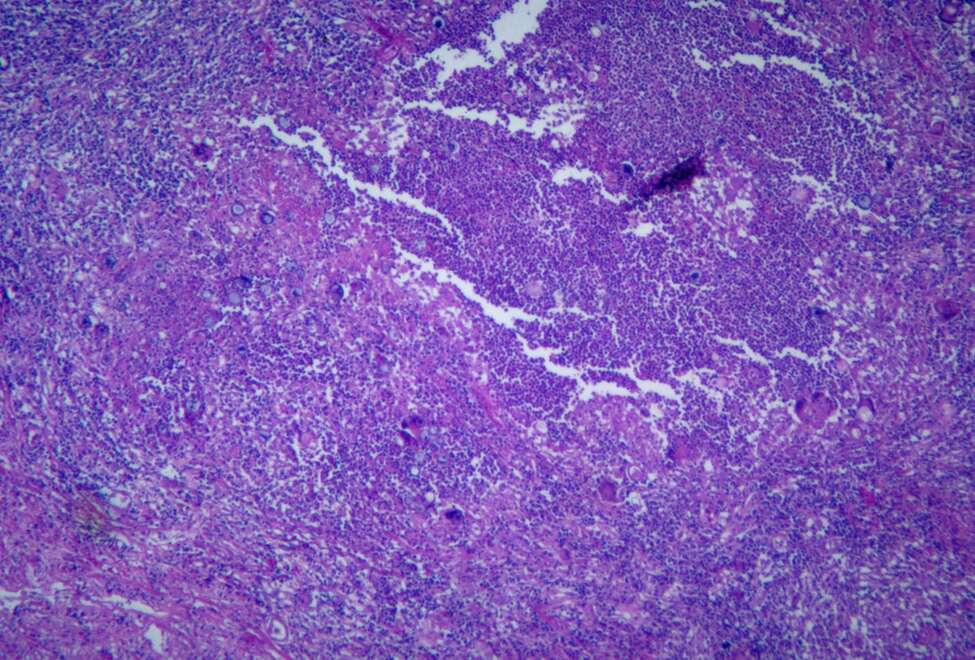

Prevention and Treatment
While there is no vaccine available to prevent Valley Fever, there are steps that can be taken to reduce the risk of infection: Avoid disturbing soil in areas where the fungus is common Wear a mask when working or playing in dusty areas Stay indoors during dust storms Avoid activities that involve digging or disturbing soil, such as gardening or construction If you suspect you have Valley Fever, it is essential to seek medical attention immediately. Treatment typically involves antifungal medications, and in severe cases, hospitalization may be necessary.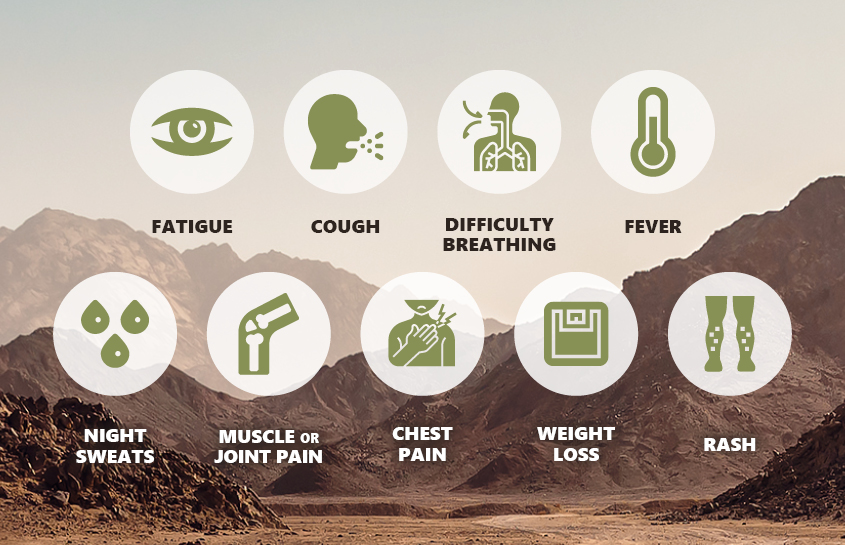
CDC Guidelines and Recommendations
The CDC provides guidelines and recommendations for preventing and treating Valley Fever. These include: Coccidioidomycosis: Resources for Healthcare Providers Prevention and Risk Reduction Treatment and Management Valley Fever is a serious fungal infection that can have significant health consequences if left untreated. By understanding the causes, symptoms, and prevention methods, individuals can reduce their risk of infection. The CDC provides valuable resources and guidelines for healthcare providers, individuals, and communities to prevent and treat Valley Fever. If you suspect you have Valley Fever or have been exposed to the fungus, seek medical attention immediately. Remember, awareness and education are key to preventing and managing Valley Fever. Stay informed, take precautions, and stay healthy!Word count: 500
